
Maintain Usable Land Through Selective Clearing and Growth Control
Forestry Management in Lake Region for property owners managing larger parcels, controlling regrowth, and improving land health over time
SK excavation provides forestry management services across the Lake Region, working within 100 miles of Concord and Epsom, New Hampshire to help residential landowners and larger parcel holders maintain vegetation, control invasive growth, and improve land usability. You turn to forestry management when trails become overgrown, sightlines close in, or when selective clearing can open canopy for healthier understory growth and better wildlife habitat. Ongoing management keeps properties accessible and functional without the cost and disruption of full clearing every few years.
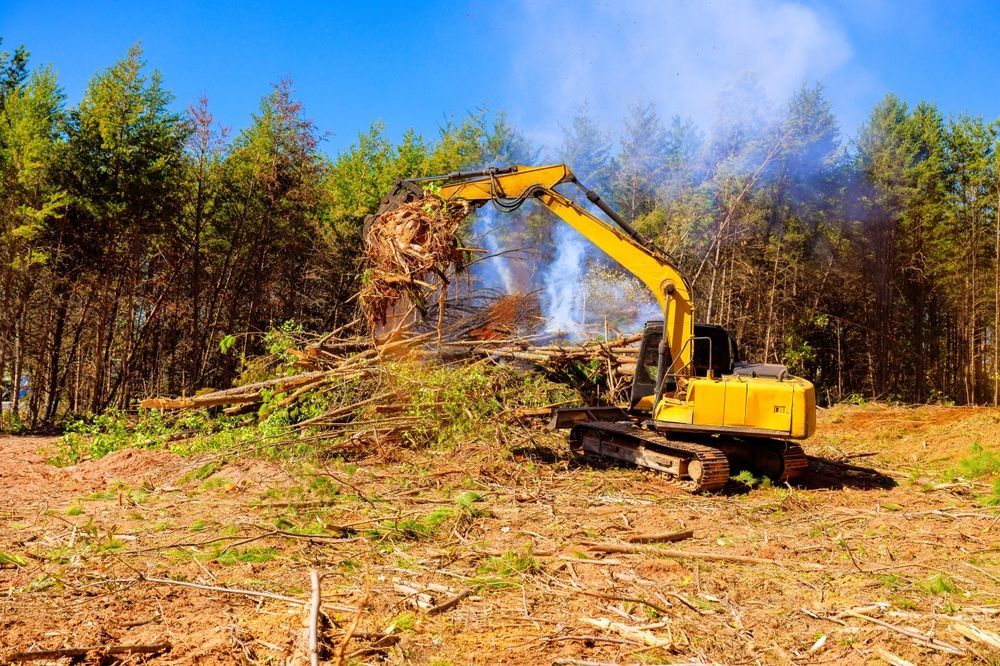
Forestry management includes selective clearing of brush and problem trees, controlling regrowth in cleared areas, and shaping vegetation to support long-term property goals such as recreation, timber value, or fire mitigation. Crews use mulching equipment, handheld tools, and targeted cutting to remove invasive species, thin overcrowded stands, and open access routes. The work focuses on incremental improvement rather than wholesale transformation, balancing land health with the natural character of wooded properties common in the region.
If your property needs ongoing vegetation control or selective clearing to improve usability, reach out to discuss a management plan and schedule a consultation.
What Forestry Management Delivers Over Time
You see gradual improvement in trail access, sightlines, and understory health when management work happens on a planned schedule. Crews identify and remove invasive species that crowd out native plants, thin saplings competing for light, and cut back brush encroaching on cleared areas or structures. Selective clearing allows sunlight to reach the forest floor, encouraging diverse plant growth that supports wildlife and reduces fire fuel loads in dry conditions.
After management visits, you notice clearer trails, more visible property boundaries, and reduced density in areas that felt impenetrable before. SK excavation tailors the work to match your goals, whether maintaining recreational trails, improving timber stand quality, or opening views without removing all tree cover. The approach minimizes soil disturbance and leaves organic material on site to decompose naturally, supporting long-term soil fertility and erosion control.
Forestry management often involves multiple visits over several seasons, adjusting work based on regrowth rates and changing property needs. The service does not include timber harvesting for commercial sale, stump removal, or grading, though it aligns with mulching and site prep when land use shifts from passive woods to active recreation or building. Management plans remain flexible, allowing property owners to scale effort based on budget and seasonal priorities.
Forestry management in the Lake Region accounts for growing seasons, access limitations, and the balance between clearing and preserving natural character. The answers below address common questions about process, timing, and expected results.
Planning and Timing Forestry Management Work
What types of vegetation get targeted in management work?
Crews focus on invasive species, overcrowded saplings, dead or damaged trees, and brush encroaching on trails, clearings, or structures.
How often should forestry management happen on a residential parcel?
Most properties benefit from management every two to three years, though high-growth areas or invasive pressure may require annual visits to maintain progress.
When is the best season to schedule selective clearing in Lake Region?
Late fall through early spring offers easier access and visibility with leaves down, though summer work is possible when targeting specific invasive species during active growth.
Why does selective clearing improve forest health?
Thinning allows light and air circulation to reach remaining trees, reducing disease pressure and encouraging stronger growth in desirable species.
What site conditions affect the scope of forestry management?
Wet soils, steep terrain, and proximity to wetland buffers limit equipment access and require more hand work or seasonal timing to avoid damage and regulatory issues.
SK excavation works with property owners who want to maintain wooded land without letting it become overgrown or inaccessible. For a consultation on forestry management tailored to your property, contact the team to review conditions and outline a plan.